
Dog Collar Guide 2026: The perfect collar for your dog

A dog collar is an essential piece of equipment for every four-legged friend. Whether as a carrier for the dog tag, as a stylish accessory, or as a practical way to attach a leash – a good collar should be in every dog owner's home.
But which collar is the right one? Buckle or snap closure? Nylon or leather? And how do you find the perfect size? This guide tells you everything you need to know before buying.
Go directly to the collars →The most important points in brief
- A dog collar is perfect for relaxed dogs that don't pull hard – otherwise, a harness is the better choice.
- Buckle clasps are particularly secure and robust, while click fasteners allow for quick dressing and undressing.
- You can find the right size by measuring the neck circumference – two fingers should fit between the collar and the neck.
- Look for high-quality materials such as padded nylon for comfort and durability.
- A sturdy D-ring is important for securely attaching the leash.
Dog collar or dog harness – which is better when?
Many dog owners ask themselves this question. The answer depends on your dog and the situation.
A collar is ideal for:
- Dogs that walk calmly on the leash and don't pull
- As a carrier for dog tags and address tags (also in addition to the harness)
- Short distances and quick leashing
- Dogs that don't like harnesses
A dish is better for:
- Dogs that pull on the leash
- Puppies and young dogs in training
- Dogs with respiratory problems (Pug, Bulldog)
- Longer walks, hikes and dog sports
- Anxious dogs that might wriggle out of their collars
Our tip: The combination of both is ideal! The collar as a permanent carrier for the dog tag, the harness for walks and activities.
What types of closures are there?
The clasp is one of the most important distinguishing features of dog collars. Each type has its advantages and disadvantages:
Prong buckle (classic)
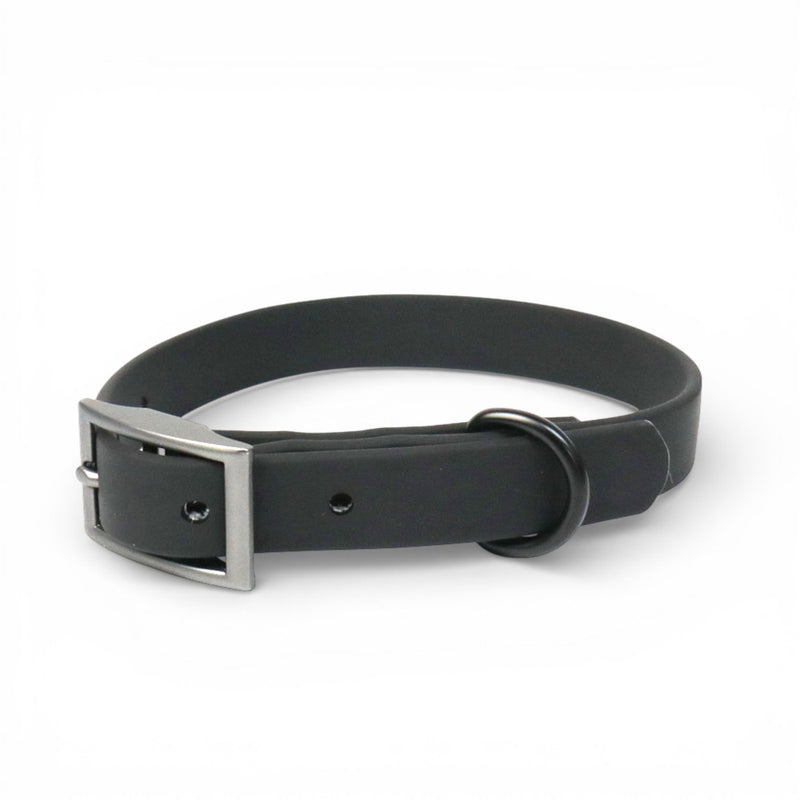
You're familiar with the classic prong buckle from belts: a metal pin engages in one of the holes in the strap. This tried-and-tested technique has good reasons for its popularity.
Advantages:
- Extremely secure – cannot open accidentally
- Adjustable via multiple holes – adapts to
- Robust and durable
- Classic, timeless look
Disadvantages:
- Getting dressed and undressed takes a little longer
- It's a bit trickier with fidgety dogs.
Click fastener (buckle)

The click closure (also called a snap buckle) works like on a backpack: simply snap the pieces together and it clicks into place. To open, press the side buttons.
Advantages:
- Lightning-fast dressing and undressing
- Perfect for impatient or fidgety dogs
- Set the size once, then just click.
- Practical in everyday life
Disadvantages:
- Can open under extreme stress (but very rarely with high-quality buckles)
- Adjustment is slightly coarser than with a buckle.
martingale collar
Martingale collars have a limited choking effect: they tighten slightly when pulled, but stop at a predefined width. They are slipped over the head and do not require a fastener.
Suitable for: Dogs that have learned not to pull, and for training purposes. Not suitable for dogs that pull strongly or have respiratory problems.
Dog collar size – How to measure correctly
A collar can be beautiful, but if it doesn't fit, it's useless. Too tight is uncomfortable and dangerous, too loose the dog can slip out of it.
Step-by-step: Measuring neck circumference
- Apply measuring tape: Place a flexible measuring tape around your dog's neck – where the collar will later sit (usually in the middle of the neck).
- Two-finger rule: Two fingers should fit flat between the measuring tape and the neck – no more, no less.
- Note the measurement: This is your neck circumference. Choose a collar size where this measurement falls within the middle adjustment range.
📏 Unsure about the size?
In our detailed instructions you will find the exact size charts for all Hundsel collars.
Go to size chart →Tip for puppies: Puppies grow quickly! Choose a collar with a large adjustment range or plan to buy a larger one after a few months.
Material guide: What should a dog collar be made of?
The material affects comfort, durability, and care. Here are the most common options:
Nylon (with padding)
The all-rounder. High-quality nylon is lightweight, robust, and weather-resistant. With soft padding on the inside, it offers optimal comfort and prevents chafing.
- ✓ Lightweight and comfortable to wear
- ✓ Quick-drying after bathing
- ✓ Easy to care for (washable)
- ✓ Available in many colors
leather
The classic choice. Leather collars are elegant and become softer and more supple over time. However, they require more care.
- ✓ Elegant appearance
- ✓ Becomes more comfortable over time
- ✗ Not suitable for water lovers
- Regular leather care is necessary.
Biothane
The low-maintenance alternative. Biothane is a plastic-coated fabric that looks like leather but is waterproof and extremely easy to care for.
- ✓ Waterproof and dirt-repellent
- ✓ Odorless
- ✓ Very durable
- ✗ Less soft than nylon or leather
What you should pay attention to when buying
The correct width
The width of the collar should match the size of your dog:
- Small dogs: 1.5 – 2 cm wide
- Medium-sized dogs: 2 – 2.5 cm wide
- Large dogs: 2.5 – 4 cm width
A wider collar distributes the pressure better – however, it should not appear too bulky or restrict freedom of movement.
Stable D-ring
The D-ring is the eyelet to which you attach the leash . It should be made of rustproof metal and securely sewn or riveted – not just glued on.
processing
Look for clean seams, no loose threads, and high-quality hardware. Cheap collars often cut corners on workmanship – and that quickly becomes a problem.
Our recommendation: The Hundsel collars
We offer three collar lines for different needs – all with soft padding for maximum comfort:
KRAGA – The classic collar
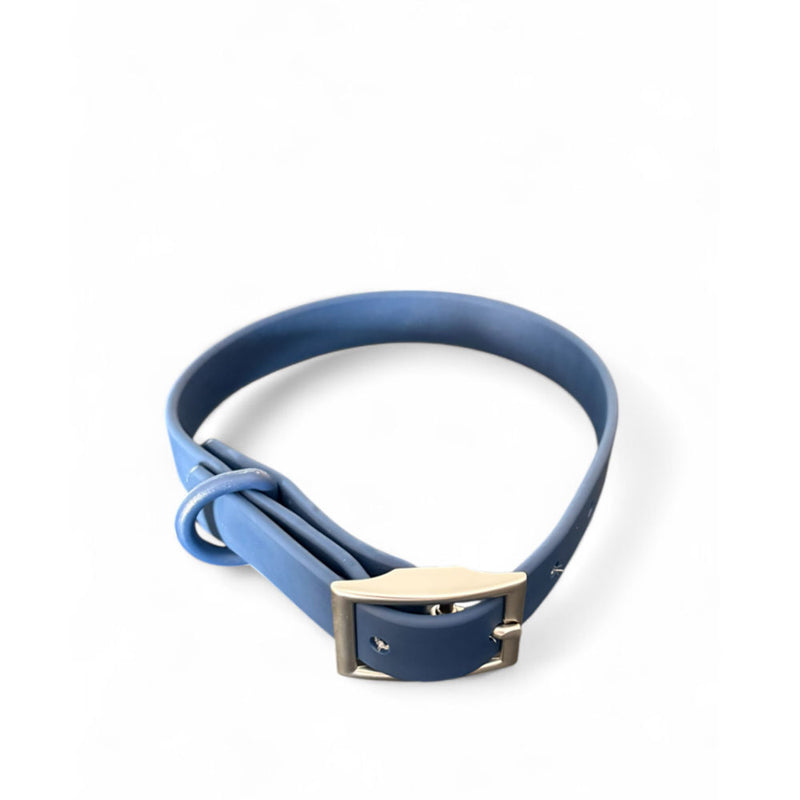
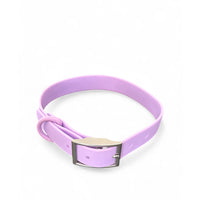
The KRAGA dog collar uses the proven prong buckle for maximum safety. Perfectly matched to our SELKA harnesses and STRÖMMA leashes .
Highlights:
- Classic prong buckle for a secure hold
- easily wipeable material
- Sturdy D-ring for the leash
- Available in 10 colours – matching SELKA
Ideal for: Anyone who prefers a secure, classic closure.
Discover KRAGA →KRAGA CLICK – The practical collar

The KRAGA KLICK offers the same comfort as the classic KRAGA – but with a practical click closure for lightning-fast putting on and taking off.
Highlights:
- Quick click closure
- easily wipeable material
- Sturdy D-ring for the leash
- Available in 9 colours – matching SELKA
Ideal for: Anyone who likes things practical and doesn't want to fumble around.
Discover KRAGA CLICK →TOVA – The stylish collar
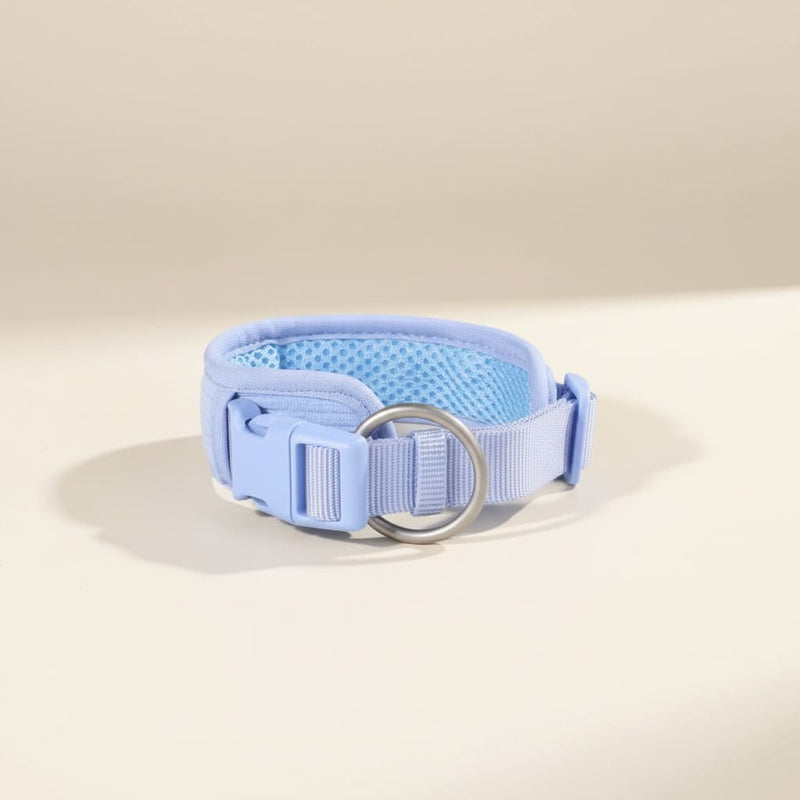
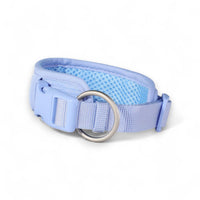
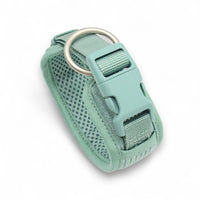
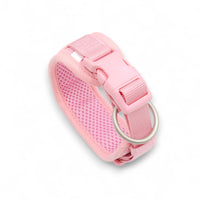
The TOVA dog collar impresses with its elegant corduroy look – perfectly matched to our STYRA harnesses and LINJA leashes for a stylish overall look.
Highlights:
- Elegant corduroy look
- Practical click closure
- High-quality workmanship
- Sturdy D-ring for the leash
- Available in 5 elegant pastel colors
Ideal for: Design lovers and everyone who wears STYRA.
Discover TOVA →All colors at a glance
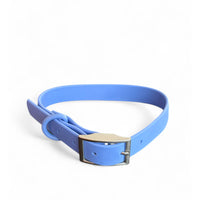
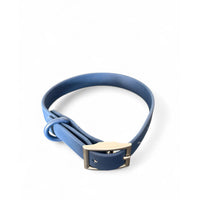
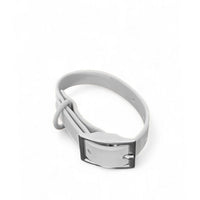
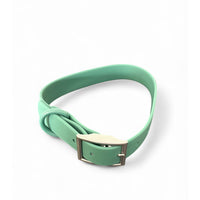
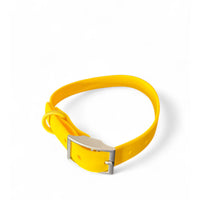
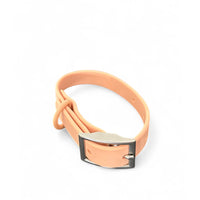
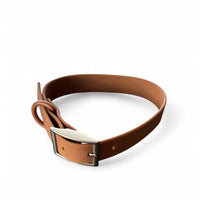
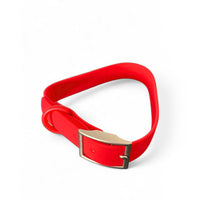
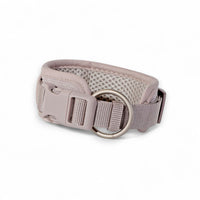
The KRAGA dog collar is available in 10 colors – matching the SELKA range :
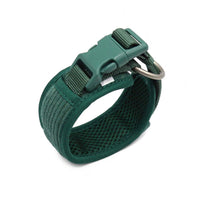
The KRAGA KLICK dog collar is available in 9 colors (excluding onyx):


The TOVA dog collar is available in 5 elegant colors – matching the STYRA series :
Frequently asked questions about dog collars
How tight should a dog collar fit?
Two flat fingers should fit between the collar and the dog's neck. This ensures a snug fit so the dog can't slip out, but loose enough for comfort and free breathing.
Can my dog wear the collar permanently?
Yes, many dogs wear their collar permanently – primarily as a carrier for their ID tag. However, be sure to remove the collar regularly to check the skin underneath and allow the fur to air out. It can be removed at night.
From what age can a puppy wear a collar?
Puppies can wear a light collar from the time they arrive (around 8-10 weeks old) to get used to it. However, we recommend a harness for walks on a leash, as puppies often pull and their cervical spine is still sensitive.
Buckle or click closure – which is safer?
Both types of closures are secure when manufactured to a high standard. The prong buckle is considered slightly more reliable, as it cannot open accidentally. However, modern click closures are designed to open only when pressure is applied to both sides.
How do I clean a dog collar?
Our collars are particularly easy to care for: simply wipe them with a damp cloth and they'll look like new again. For more stubborn dirt, you can use a little mild soap. Then let it dry briefly – done!
Conclusion: The best dog collar of 2026
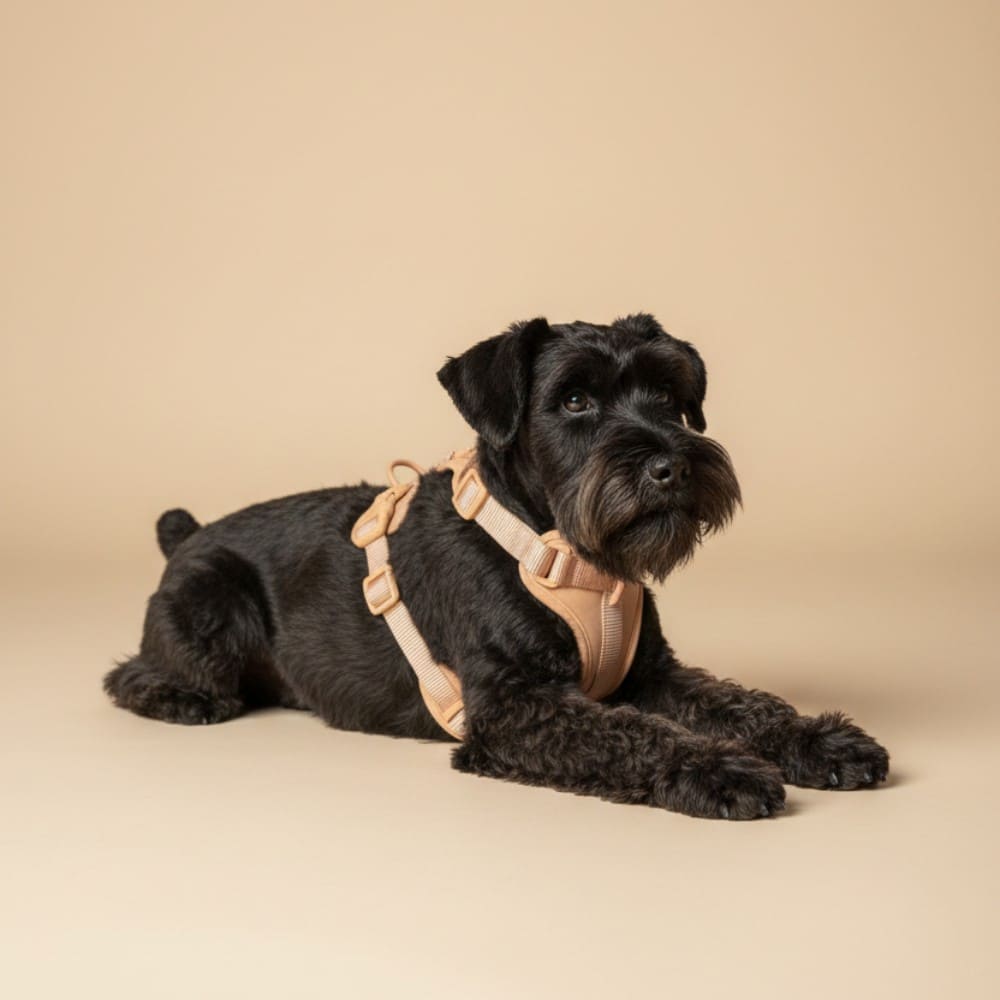
A good dog collar is more than just an accessory – it's an essential piece of equipment for everyday life with your four-legged friend. Pay attention to high-quality materials, the correct size, and a closure that suits your daily routine.
Our recommendation:
- KRAGA for classic safety with pin buckle
- KRAGA CLICK for practical dressing and undressing
- TOVA for stylish design with corduroy look
Combine your collar with the matching harness and leash in the same color – or secure one of our bundles at a special price!
Still have questions about size or color selection?
Check our size chart or write to us – we're happy to help!
Go to size chart →