
Paw care in winter: How to protect your dog from salt, snow & grit

Most dogs love romping through the snow. But what is a winter wonderland for us humans can become a real test of endurance for dogs' paws: road salt dries out their pads, sharp-edged grit causes small injuries, and chunks of ice get painfully stuck between their toes.
With proper care before, during and after your walk, you protect your four-legged friend's paws – and he can enjoy the winter carefree.
The most important points in brief
- Before the walk: Apply paw balm, trim the fur between the toes.
- On the go: Avoid paths littered with grit, watch out for signs of illness.
- After the walk: Rinse paws with lukewarm water, dry thoroughly.
- Important: Do not let the dog lick its paws – road salt is harmful.
Why winter is problematic for dog paws
The sensitive skin on the paw pads is exposed to several stresses in winter:
- Road salt dries out the skin and leads to painful cracks in the pads of the feet.
- Gravel and chippings have sharp edges that can cause minor injuries.
- Snow and ice get stuck between the toes and form painful clumps.
- Cold weather makes skin brittle and more prone to cracking.
The result: Cracked pads, inflammation between the toes, and in the worst case, a dog that no longer wants to walk because of the pain.
Before the walk: Prepare paws
Apply paw balm
Applying a thin layer of paw balm before a walk creates a protective barrier against salt and cold. The pads remain supple and are better protected against cracking. Suitable products include deer tallow, beeswax-based balms, or special paw waxes.
Do not use: Vaseline, udder cream (mineral oil-based) and tea tree oil – these can be harmful if licked.
Trim the fur between the toes
Snow and ice tend to accumulate particularly easily between the paw pads of dogs with long fur. Carefully trim the fur there with rounded scissors – or have it done by a professional groomer. This will reduce the amount of snow that gets stuck and make it harder for salt crystals to adhere.
check claws
Overgrown claws cause the paws to splay out when walking. This allows more road salt and grit to get between the pads. Therefore, claws should be kept especially short in winter.
During the walk
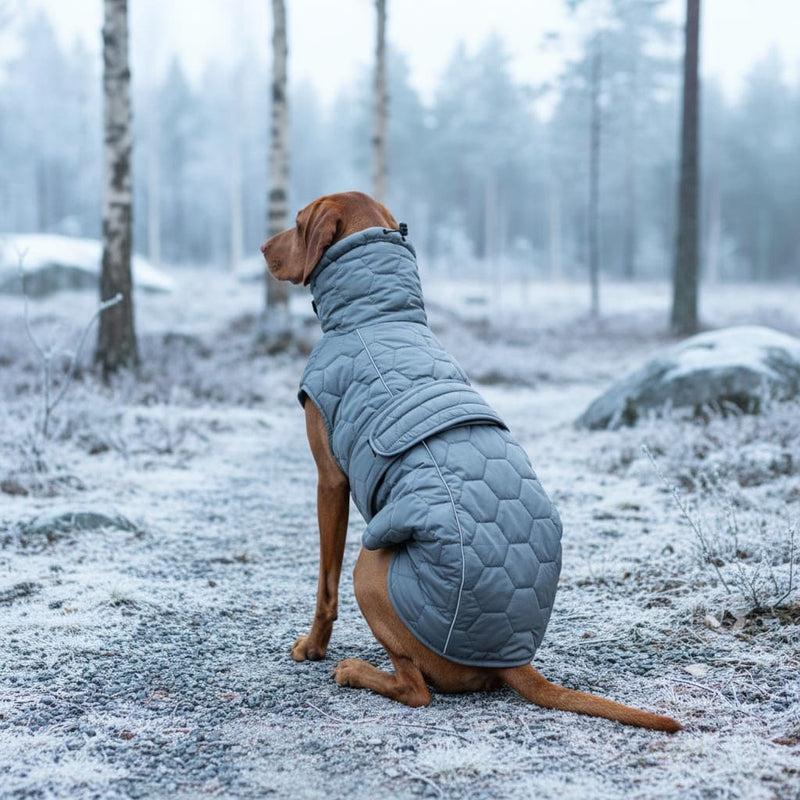
Avoid paths with scattered debris
If possible, stick to unsalted forest and field paths. The strain on your dog's paws is significantly less there. This is often difficult in the city – in which case the other measures are all the more helpful.
Pay attention to warning signs
If your dog suddenly stops, limps, or tries to bite its paws, it is probably in pain. Check its paws immediately and carefully remove any ice or pebbles.
Shorter rounds
In frosty and snowy conditions, several short walks are preferable to one long one. This way, the paws are not exposed to the cold for too long and can recover in between.
After the walk: Clean paws
The most important step – and the one that many forget:
Wash paws
Rinse your dog's paws with lukewarm water after every winter walk. This removes salt, grit, and dirt. Important: Do not use water that is too hot! Cold paws are sensitive to sudden temperature changes.
Dry thoroughly
Even between the toes! Moisture that remains there can lead to skin irritation.
check paws
Quickly check: Are there any visible cracks or injuries? Are there any stones lodged in the skin? If the pads are cracked, apply a soothing ointment (e.g., with calendula or arnica).
Why washing is so important: If you don't clean your dog's paws, they will lick them clean – and ingest road salt in the process. This can lead to gastrointestinal problems (vomiting, diarrhea). In larger quantities, this is known as "snow gastritis".
Snow gastritis: When a dog eats snow
Many dogs love to eat snow. In small amounts, fresh, clean snow is harmless. It becomes problematic when the snow is contaminated with road salt or other chemicals – as is often the case on sidewalks.
Symptoms of snow gastritis include vomiting, diarrhea, increased salivation, and abdominal pain. If you observe these signs, you should consult a veterinarian.
Prevention: Don't let your dog eat snow from puddles or cleared paths. If in doubt, bring water from home .
Dog shoes: Sensible or excessive?
Opinions differ on dog boots. For most dogs, they are unnecessary – with good paw care, they can get through the winter just fine.
Dog shoes can be useful in the following situations:
- Already injured or very sensitive paws
- Dogs that frequently have to walk on heavily gritted paths (city dogs)
- very long winter walks or hikes
- sled dogs and other working dogs
Important: Dog shoes must fit well, and walking in them should be practiced beforehand. Most dogs need time to get used to them.
Which dogs need special care?
Some dogs need more attention in winter than others:
- City dogs – more often run on gritted paths
- Dogs with sensitive skin or skin diseases
- Small and short-legged breeds are closer to the cold ground; their bellies often brush the snow.
- Older dogs often have more sensitive paws.
- Dogs with a lot of fur between their toes – this is where a lot of snow collects.
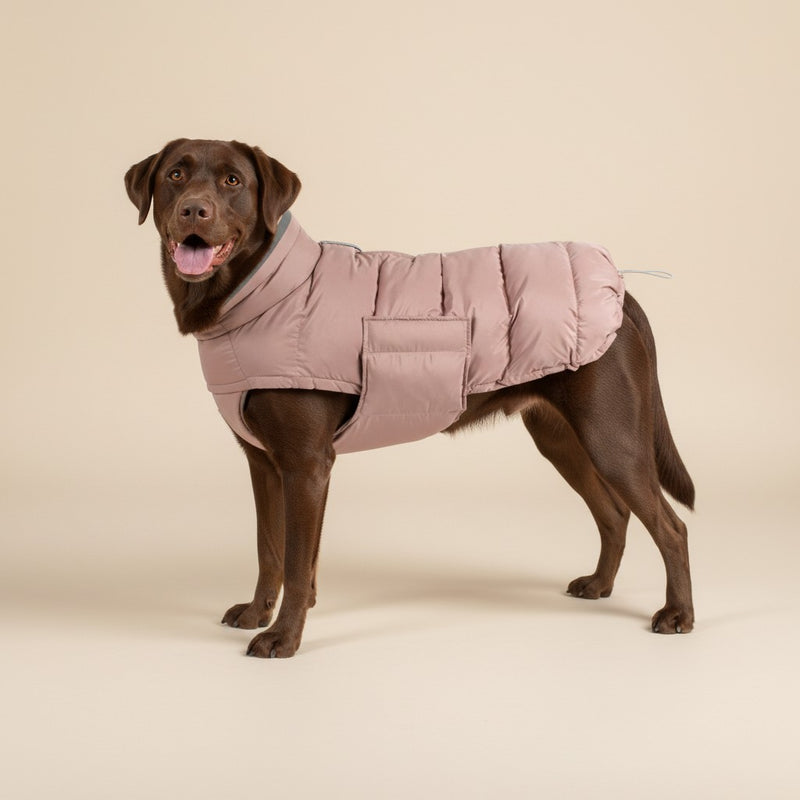
By the way: Dogs that get cold quickly in winter benefit from a warm dog jacket .
Frequently Asked Questions
How often should I apply paw cream in winter?
Apply before every walk on gritted paths. For very sensitive paws, also apply in the evening before bedtime.
Can I also use coconut oil for my cat's paws?
Yes, coconut oil is a good natural alternative. It nourishes and forms a light protective film. However, it absorbs faster than paw wax.
My dog won't let me touch his paws. What should I do?
Start slowly and reward with treats. Practice paw handling regularly – not just in winter. This will make it routine.
At what temperature do dog paws need special protection?
It's not the temperature that's crucial, but primarily the road salt and grit. As soon as the salt is spread, you should care for your dog's paws – even at temperatures just above freezing.
Conclusion
Winter paw care doesn't have to be complicated: paw balm before walks, a quick rinse and dry afterwards – that's enough for most dogs. For city dogs or those with sensitive paws, a little more effort is worthwhile. This way, your four-legged friend can enjoy winter without their paws suffering.
Well protected through the winter
Besides paw care, some dogs also need protection for the rest of their bodies in winter. Our dog jackets keep your four-legged friend warm – perfect for short-haired breeds or older dogs.
To the dog jackets →